
Understanding Your North Texas Roof
Most people never think about their roof until a storm gives them a reason to. North Texas homeowners know the pattern well: the sky darkens, the hail starts, and suddenly you’re wondering whether the thing over your head is as sturdy as it looked yesterday. It raises a simple question you don’t ask often enough: what exactly is up there, and why does it matter so much in this part of the country?
The truth is, a roof is its own little ecosystem. Not glamorous, not something you brag about at dinner, but essential in ways you only appreciate when the weather tests it; and Texas does a lot of testing! The sun bakes shingles until their edges curl. Winds pull at corners like they’re checking for vulnerabilities. And hail? It doesn’t need to punch a hole through anything; sometimes it just leaves a bruise that weakens the whole system years before you ever see evidence inside the house.
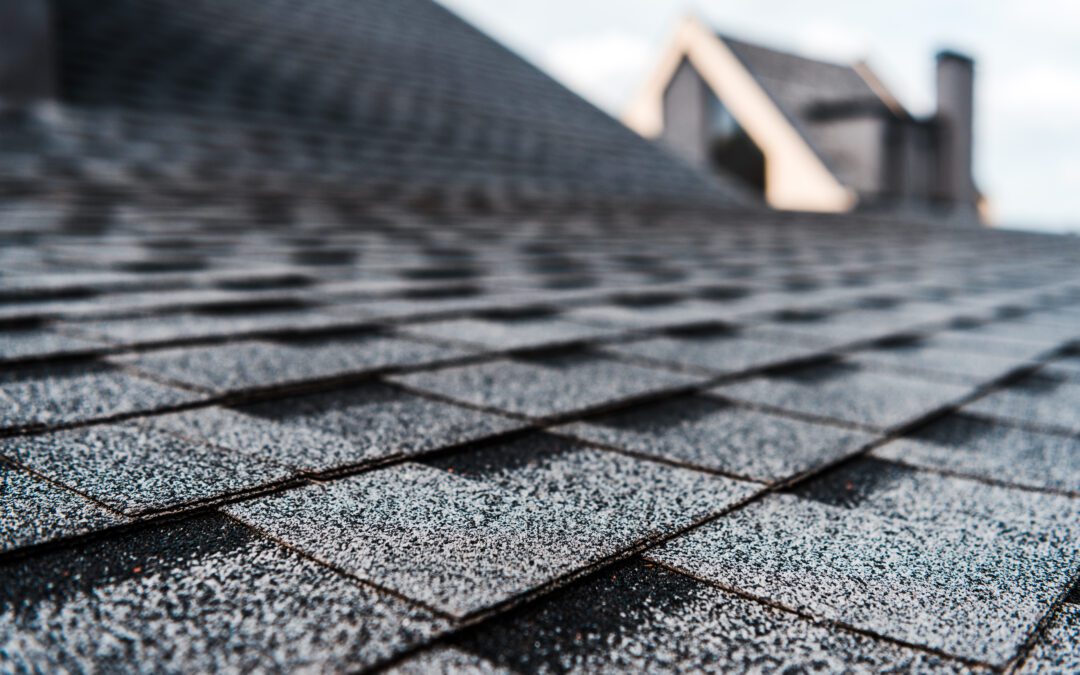
So what are you actually looking at? Picture your roof as a stacked series of defenses. The shingles are the front line, taking every bit of heat, hail, and UV exposure our climate delivers. Beneath them sits the underlayment, the quiet, unsung layer that often saves a home long before a ceiling stain ever appears. And then there’s the flashing, the thin metal that protects all the places water naturally tries to get in: along walls, around chimneys, in valleys, at vents. When these pieces are in sync, they operate like a single engineered system designed to move water away from your home and keep interior temperatures stable.
But when even one part starts to slip, and the slip can happen slowly and invisibly, the story changes.
Here in DFW, weakness shows itself faster than homeowners expect. One hundred–degree days dry out shingles until the granules start to shed like sand. A line of fast-moving wind rolls through and lifts a corner you didn’t know was vulnerable. A spring hailstorm hits, and even if you don’t see damage from the ground, the impact can shorten the lifespan of the roof by several years. Most homeowners don’t catch these early changes; they only notice the aftermath when the next storm pushes a stressed system past its limit.
This is where materials matter. Not in the generic sense, but in the way different products handle the extremes of this region. Asphalt shingles remain common because they’re cost-effective, but not all shingles are created equal. Some are built to handle heat better; some are tested for impact resistance. Metal roofing, on the other hand, plays the long game. It reflects heat, resists hail exceptionally well, and can last decades longer, but it requires a bigger upfront investment. The right choice depends on your home, your timeline, and how you want your roof to perform during our most dramatic weather moments.
And then there’s the structure you rarely think about: the eaves, soffits, ridges, and valleys. Eaves keep water moving away from the house. Soffits, the ventilation tucked underneath, can keep attic temperatures from climbing past 140 degrees on a summer afternoon. Ridges release trapped heat. Valleys, the natural collection points for water and debris, tend to age faster than anything else on the roof. You don’t need to know every definition, but understanding these areas makes you a more informed homeowner, someone who can have a real conversation with a contractor instead of simply nodding along.
The real trouble begins once water finds its way inside. It rarely stays in one place. Moisture can travel behind walls, through insulation, and across ceilings before you ever see the first stain. By the time a drip reaches a living room light fixture, the damage may have already stretched across flooring, cabinets, and electrical systems. That’s why catching problems early matters—not because you need to obsess over your roof, but because the consequences of late detection aren’t just structural; they’re expensive.
A reputable roofing contractor can identify issues long before they rise to that level. Not just the obvious trouble spots, but the subtle ones: the early hail impact, the aging underlayment, the ventilation imbalance that’s slowly cooking the attic. An inspection isn’t about finding something wrong; it’s about understanding what stage your roof is in and whether a small repair now might prevent a much bigger problem later.
Knowing how a roof behaves in North Texas doesn’t make you an expert; it makes you prepared. You can compare estimates with more confidence, decide whether a contractor’s recommendation makes sense, and understand what you’re paying for instead of guessing. In a region where storms are frequent and repairs can be costly, that knowledge isn’t technical trivia; it’s practical protection.
And maybe that’s the real takeaway. Your roof isn’t just the thing that keeps rain out. It’s one of the most important systems in your home, constantly responding to a climate that pushes it harder than most. When you understand what’s happening up there, even at a basic level, you’re better equipped to protect your home, make smarter decisions, and avoid surprises the next time the sky turns dark.