


Roofing Scams in Texas: What Homeowners Should Know

Key Takeaway: Roofing scams in Texas often increase after major storms, when homeowners are under pressure to make repairs quickly. Be cautious of high-pressure sales tactics, large upfront payments, vague contracts, deductible-waiver offers, and contractors who cannot provide a verifiable local presence, insurance information, or recent references. Roofing scams in Texas can become especially common after hail, wind, and severe storms. That is when homeowners are dealing with leaks, insurance questions, and the pressure to make repairs fast. Storm chaser roofers know that urgency works in their favor. Some go door to door immediately after a storm, push for a signature before providing a clear estimate, or make promises that sound too good to be true. Others may ask for a large payment before work begins or offer to “take care of” your insurance deductible. You do not have to make a roofing decision on the spot. Slow the process down. Ask questions. Verify who you are dealing with and make sure the scope, materials, price, payment terms, and warranties are in writing before work begins. Common Roofing Scams After a Texas Storm Door-to-door solicitation is not automatically a scam, but it deserves extra scrutiny after a major storm. Be cautious when a contractor pressures you to sign immediately, cannot provide local references, or avoids giving you a detailed written estimate. One of the clearest red flags is an offer to waive or absorb your insurance deductible. That is illegal in Texas. Your deductible is your responsibility, and your insurance company may ask for proof that you paid it. Another warning sign is a demand for a large payment or full payment before the work begins. Avoid paying in full upfront, and make sure payment terms are clearly tied to the work being completed. Watch the contract too. Never sign paperwork with blank sections, and make sure the agreement clearly identifies the roofing materials, scope of work, price, payment schedule, warranties, and other important terms. A vague contract makes it much harder to resolve problems later. Material substitution can also be a problem. If you are quoted a specific shingle brand, product line, underlayment, or accessory, make sure those details appear in the written scope. Check delivered materials against the contract before installation begins. How to Choose a Roofer You Can Verify Knowing how to choose a roofer starts with verification, not the sales pitch. Look for a real local presence, a working phone number, recent projects, and references you can actually contact. Online reviews can help too, but patterns over time matter more than a handful of ratings. Ask for proof of current insurance and look at the company’s experience, manufacturer credentials, warranties, and project documentation. Texas does not use a statewide roofing-contractor license as the basic gatekeeper homeowners might expect, so these details become especially important. A legitimate contractor should also be willing to explain the project clearly. Ask what products will be installed, who will perform the work, whether permits are required, how payments are structured, and what warranties apply. Insurance language deserves extra attention. In Texas, a roofing contractor who is also performing the work cannot act as a public insurance adjuster on that claim. Be cautious of anyone promising to negotiate your settlement or represent you on coverage issues. For more help comparing contractors, see our advice on choosing the right roofing company. Quick Steps to Verify a Roofer Confirm the company: Look for a verifiable business presence, working contact information, and recent local projects. Check insurance: Ask for proof of current coverage and verify it when needed. Review credentials: Manufacturer certifications, established warranties, and documented experience can provide additional confidence. Ask for references: Speak with recent customers and look for consistent feedback about communication, workmanship, and cleanup. Read the estimate: Materials, scope, price, payment terms, and warranties should all be clearly documented. Watch the insurance talk: Walk away from deductible-waiver offers or contractors claiming they can act as your insurance adjuster. What to Look for in a Roofing Contract A detailed written contract is one of the best protections against roofing scams in Texas. It should clearly identify the roofing materials, scope of work, price, payment terms, warranties, and responsibility for permits or other required approvals. Look for specifics. The agreement should identify the shingle product, underlayment, flashing, ventilation, and any expected decking work. If the scope or price changes after work begins, those changes should be documented in writing. Payment terms deserve the same attention. Avoid paying the full amount upfront, understand when each payment is due, and keep receipts. Your insurance deductible is your responsibility in Texas, so a contractor offering to waive, rebate, or absorb it is a major red flag. Before signing, read every section and make sure there are no blank spaces or vague promises. Warranty terms should also be clear, including what is covered and whether the warranty comes from the manufacturer, the contractor, or both. Red Flags That Should Make You Walk Away Storm chaser roofers often rely on urgency. “Today-only” pricing, pressure to sign immediately, or claims that you must act before speaking with another contractor should make you slow down, not speed up. Money can reveal problems quickly. Be cautious of cash-only demands, unusually large upfront payments, requests to sign over an insurance check, or any offer to make your deductible disappear. Vague paperwork is another warning sign. A one-line estimate with no material details, warranty information, or defined scope leaves too much room for problems later. Communication matters too. If the company will not provide proof of insurance, recent references, clear contact information, or straightforward answers, keep looking. The same goes for a bid that is dramatically lower than every other estimate without a clear explanation. A trustworthy roofer should make the process easier to understand, not harder. Roofing Scams Texas FAQs What are the most common roofing scams in Texas? Common roofing scams in Texas include high-pressure door-to-door sales, large upfront payment demands, vague contracts, material substitutions, deductible-waiver offers, and contractors who
Class 4 Shingles for North Texas Homes

Key Takeaway: Class 4 shingles can be a smart upgrade for DFW homeowners because they are designed to resist hail impact better than standard shingles and may help reduce storm-related roof damage. They can also qualify for insurance discounts with some carriers, which may help offset the higher upfront cost. Class 4 shingles make sense in North Texas for one simple reason: roofs here take a beating. Hail, high winds, intense heat, and sudden storms all put stress on roofing materials. Standard shingles can still perform well, but impact-resistant shingles are built to handle harder hits and reduce the chance of cracking or breaking during hail events. For homeowners comparing roofing options, the real question is not just whether Class 4 shingles cost more. It is whether the added durability, possible insurance savings, and reduced risk of storm damage make that upgrade worthwhile over the life of the roof. Understanding Class 4 Shingles Class 4 shingles earn their rating through impact testing designed to measure how well roofing materials resist cracking after a hard strike. Class 4 is the highest impact-resistance classification commonly used for asphalt shingles. That matters in DFW. Hail can bruise shingles, loosen granules, crack the mat, and weaken seals. Once that happens, water has a much easier path into the roof system. Impact-resistant shingles are built to handle that force better. Many use reinforced mats, modified asphalt, stronger adhesives, or other design features that help the shingle absorb impact without breaking as easily. They are not hail-proof. No shingle is. But Class 4 shingles can provide another layer of protection in a region where hail is a regular part of storm season. Cost should be viewed over the full life of the roof. A higher upfront price may be easier to justify if the roof experiences fewer storm-related repairs, holds up better over time, or qualifies for an insurance discount roof program through your carrier. Some insurers offer premium discounts for qualifying impact-resistant roofs, but availability and requirements vary by company and policy. Hail Performance and Resilience Hail performance comes down to how well the roofing system absorbs impact without cracking, splitting, or losing its ability to shed water. Class 4 shingles are designed specifically with that type of resilience in mind. Some impact-resistant shingles use polymer-modified asphalt or reinforced fiberglass mats to improve flexibility and strength. Strong sealant lines and proper fastening also matter, especially when hail arrives with high winds. The benefit is straightforward: fewer breaks can mean fewer leak paths. That does not mean every Class 4 roof will come through every storm untouched. Large hail, extreme wind, roof age, installation quality, and the angle of impact all affect the outcome. But compared with more basic shingles, Class 4 products are built to provide better resistance during moderate hail events. They can also hold up well against everyday wear. North Texas heat and UV exposure slowly age asphalt roofing, and better-built shingles may retain their protective surface longer when the full roof system is installed correctly. For homeowners considering residential roof replacement, Class 4 shingles are worth comparing alongside standard architectural shingles. The best choice depends on budget, insurance considerations, storm exposure, and how long you plan to stay in the home. Why Homeowners Consider Class 4 Shingles Better hail resistance: Class 4 shingles are designed to resist impact better than standard asphalt shingles. Fewer storm-related repairs: Stronger materials can reduce the chance of cracking and other hail damage during moderate storms. Possible insurance savings: Some insurers offer discounts for qualifying impact-resistant shingles, depending on the carrier and policy. Long-term value: The higher upfront cost may be easier to justify if the roof needs fewer repairs and holds up better over time. Built for North Texas: In a region where hail, wind, and heat are common, Class 4 shingles offer an added layer of protection. Insurance Discounts and Cost Savings Class 4 shingles may qualify for insurance discounts with some Texas carriers, which can help offset the higher upfront cost of impact-resistant roofing. Discounts vary by insurer, policy, location, and the specific roofing product, so homeowners should confirm eligibility before assuming any savings. Documentation matters. Keep product information, installation records, completion photos, and any forms your insurer requires. A qualifying roof may reduce premiums, but the bigger financial benefit can come from reducing the risk of hail-related repairs and repeat storm damage. Long-Term Value for Texas Homeowners Class 4 shingles are designed to resist hail impact better than standard asphalt shingles. In North Texas, that added durability can mean fewer cracked shingles, fewer leak paths, and less disruption after moderate storms. The value is not just in the shingle itself. Proper installation, ventilation, flashing, and underlayment all affect how well the roof performs. When those pieces work together, impact-resistant shingles can provide stronger long-term protection and more predictable maintenance costs. For homeowners comparing roof replacement options, Class 4 shingles are worth considering alongside standard architectural shingles. The right choice depends on budget, storm exposure, insurance eligibility, and long-term plans for the home. Class 4 Shingles FAQs Can Class 4 shingles lower my insurance premium? They may. Some Texas insurers offer discounts for qualifying impact-resistant shingles, but eligibility and savings vary by carrier, policy, location, and roofing product. Are Class 4 shingles more expensive than standard shingles? Class 4 shingles usually cost more upfront than standard asphalt shingles. The added cost may be worthwhile for homeowners who value stronger hail resistance and fewer storm-related repairs. Are Class 4 shingles hail-proof? No. Class 4 shingles are designed to resist impact better than standard shingles, but severe hail can still cause damage. Roof age, hail size, wind, and installation quality all affect performance. Do Class 4 shingles require special maintenance? Maintenance is similar to other asphalt roofs. Regular inspections, clear gutters, good attic ventilation, and prompt repairs after storms can help protect the roof over time. Do Class 4 shingles come in different styles and colors? Yes. Impact-resistant shingles are available in a range of
How Long Does a Roof Last in Texas?

Key Takeaway: How long does a roof last in Texas? In North Texas, asphalt shingles often last about 15 to 20 years, while metal roofs can last 40 to 50 years or more with proper installation and care. Roof lifespan depends on material quality, attic ventilation, storm exposure, maintenance, and how quickly hail or wind damage is repaired. How long does a roof last in Texas? The answer depends on the material, installation quality, ventilation, and how much storm damage the roof takes over time. North Texas roofs face intense sun, high heat, hail, wind, and heavy rain, so local conditions can shorten the life of even a well-built roof. Asphalt shingles are the most common residential roofing material and often last about 15 to 20 years in this region. Metal roofs can last 40 to 50 years or more when installed correctly and maintained well. Tile roofs may last even longer, but they require the right structure, underlayment, and flashing to perform properly. Roof lifespan is not only about the material on the surface. Attic ventilation, drainage, flashing, roof maintenance, and prompt repairs all play a major role. A roof that is inspected regularly and repaired after hail or wind damage is more likely to reach its expected service life. Asphalt Shingle Lifespan in North Texas Asphalt shingle lifespan in North Texas is usually shorter than in milder climates. Heat, UV exposure, hail, and high winds can wear down shingles over time. Granule loss, curling edges, lifted tabs, cracked sealant, and missing shingles are all signs that the roof may be aging or storm damaged. Most asphalt shingle roofs in this area last about 15 to 20 years, but that range can shift. Higher-quality architectural shingles may last longer than basic three-tab shingles. Impact-resistant shingles can also help reduce damage from hail, though no roof is completely hail-proof. Ventilation is another major factor. A hot attic can bake shingles from below, trap moisture, and shorten the life of the roof system. Balanced intake and exhaust ventilation help manage heat and moisture, which supports better long-term roof performance. Regular inspections can help homeowners spot problems early. If you notice missing shingles, cracked flashing, loose ridge caps, or signs of a leak, scheduling residential roof repair quickly can help prevent small issues from becoming larger damage. Metal Roofs in Texas: Durability and Long-Term Value Metal roofs in Texas are known for durability and long service life. A properly installed metal roof can often last 40 to 50 years or more, depending on the panel type, coating, fasteners, underlayment, and maintenance. Installation quality matters. Standing seam metal roofs are designed to handle expansion and contraction more effectively than many exposed-fastener systems. Exposed-fastener roofs can still perform well, but screws, washers, seams, and sealants need periodic checks over time. Metal roofing can also perform well in heat. Reflective finishes can reduce heat absorption, while proper attic insulation and ventilation help the roof system manage temperature swings. During hailstorms, metal may dent, but thicker panels and quality materials can help reduce the risk of more serious damage. Homeowners considering a longer-lasting roof should compare materials, installation details, warranty options, and long-term maintenance needs before making a decision. A professional inspection can help determine whether repair is enough or whether residential roof replacement would provide better long-term value. Roof Lifespan Snapshot Asphalt shingles: About 15 to 20 years in North Texas Metal roofing: About 40 to 50 years or more Tile roofing: 50 years or more with proper installation and maintenance Actual roof lifespan depends on material quality, installation, attic ventilation, maintenance, and exposure to North Texas heat, hail, wind, and heavy rain. Tile Roof Longevity Homeowners asking how long does a roof last in Texas often look to clay tile because a properly installed tile roof can last 50 years or more. Tile handles heat and UV exposure well, but the roof lifespan still depends on the condition of the underlayment, flashing, and supporting roof system. In many tile systems, the tiles may outlast the underlayment beneath them. That means an older tile roof can still need significant work even when the visible tiles remain in good condition. Cracked or displaced tiles, worn flashing, and aging underlayment should be addressed before water reaches the roof deck. Routine inspections after hail or high winds can help protect that longer service life. Keeping valleys and gutters clear, replacing damaged tiles, and maintaining proper attic ventilation all help the system perform as intended. Roof Lifespan Checklist After major storms: Check for missing shingles, cracked tiles, dented metal, loose flashing, and signs of leaks. Keep water moving: Clear gutters, downspouts, and roof valleys so water drains away properly. Protect attic airflow: Keep soffit and ridge ventilation clear to reduce heat and moisture buildup. Fix small problems early: Prompt repairs can help prevent damage from spreading into the roof deck or interior. Track roof condition: Keep dated photos and maintenance records so changes are easier to spot over time. Factors That Influence Roof Lifespan Several factors determine how long a roof lasts in Texas. Material type matters, but installation quality, ventilation, maintenance, and exposure to North Texas weather can be just as important. Correct flashing, fastener placement, underlayment, drainage, and ventilation all help the roof system manage heat, wind, and water. Poor installation can shorten the life of asphalt shingles, metal roofing, and tile systems even when high-quality materials are used. Maintenance also affects long-term performance. Clearing debris, keeping gutters open, repairing storm damage quickly, and scheduling inspections when problems appear can help a roof reach the higher end of its expected lifespan. If you are unsure about the condition of your roof, a professional roof inspection can help identify issues before they become more expensive repairs. Roof Lifespan FAQs How long does a roof last in Texas? Roof lifespan depends on the material, installation quality, ventilation, maintenance, and storm exposure. In North Texas, asphalt shingles often last about 15 to 20 years, while metal and tile roofs
What Cook DFW’s Owens Corning Platinum Preferred Status Means for Homeowners

Key Takeaway: Being named an Owens Corning Platinum Preferred Contractor is a major recognition that reflects trust, professionalism, and proven roofing standards. For homeowners, it means working with a roofing company that has met strict requirements and can offer access to some of Owens Corning’s strongest roofing warranty options. Cook DFW Roofing and Restoration has been named an Owens Corning Platinum Preferred Contractor, a recognition reserved for a select group of roofing professionals. Owens Corning has stated that Platinum Preferred Contractors represent less than 1% of roofing contractors, making this a meaningful achievement for our company and our customers. This is not a status a contractor can simply buy into. It must be earned through experience, qualifications, and a commitment to higher roofing standards. For homeowners, that matters because choosing a roofing contractor is a major decision that affects the protection, value, and long-term performance of the home. Owens Corning lists Platinum Preferred Contractors as the top tier of its roofing contractor network and says they meet strict standards for professionalism, reliability, and craftsmanship. They are also the only contractors in the network able to offer Owens Corning’s best roofing system warranty options. What Is an Owens Corning Platinum Preferred Contractor? An Owens Corning Platinum Preferred Contractor is part of the top tier of the Owens Corning Roofing Contractor Network. This designation is given to independent roofing contractors that meet Owens Corning’s standards for professionalism, reliability, and workmanship. The designation is selective. It is not a paid badge or a simple membership that any contractor can claim. Roofing companies must qualify and be accepted into the program, which makes the recognition meaningful for homeowners comparing contractors. Platinum Preferred status also connects homeowners with expanded warranty options from Owens Corning. That matters because a roof is not just a product purchase. It is a full roofing system that depends on quality materials, correct installation, and a contractor who understands the manufacturer’s standards. Why This Recognition Matters Most homeowners do not replace a roof often, so it can be hard to know which contractor to trust. Online reviews, referrals, and estimates all help, but manufacturer recognition adds another point of confidence. Platinum Preferred status shows that a contractor has met a higher standard within the Owens Corning network. This is especially important in North Texas, where roofs face hail, high winds, intense sun, and sudden storms. A roof needs to be installed correctly to perform well over time. Choosing a contractor with strong manufacturer backing can help homeowners feel more confident about the materials, workmanship, and warranty options behind their roof replacement. For Cook DFW Roofing and Restoration, this recognition reflects the same approach we bring to every job: honest guidance, professional installation, and roofing solutions built around the homeowner’s needs. Important Facts About Owens Corning Platinum Preferred Contractors Owens Corning Platinum Preferred Contractors are part of the top tier of the Owens Corning Roofing Contractor Network. This recognition is selective and cannot simply be purchased by a roofing company. Platinum Preferred Contractors must meet Owens Corning standards for professionalism, reliability, and craftsmanship. Homeowners working with a Platinum Preferred Contractor may have access to stronger Owens Corning roofing warranty options. Manufacturer recognition can help homeowners compare roofing contractors with more confidence. Cook DFW Roofing and Restoration earned this recognition through its commitment to quality roofing work and homeowner support. What This Means for Your Roof Replacement A roof replacement is a major investment, and the contractor you choose matters as much as the materials themselves. Even high-quality shingles need proper installation, ventilation, flashing, and system design to perform the way they should. Platinum Preferred status gives homeowners more confidence that their roofing contractor understands Owens Corning products, installation expectations, and roofing system requirements. That matters when your home needs long-term protection from North Texas heat, hail, wind, and heavy rain. When you choose a contractor with strong manufacturer recognition, you are not just choosing someone to install shingles. You are choosing a team that understands how the full roofing system works together, from underlayment and ventilation to flashing, ridge caps, and warranty details. What This Means for Warranty Confidence Warranty coverage is one of the biggest reasons this recognition matters. Owens Corning Platinum Preferred Contractors can offer access to some of Owens Corning’s strongest roofing system warranty options, which may not be available through every contractor. That added warranty access can give homeowners more peace of mind before starting a roof replacement. It helps connect the quality of the roofing materials with the quality of the installation, which is important because both affect long-term roof performance. Before choosing any roofing contractor, homeowners should ask clear questions about materials, workmanship, warranty options, and what is included in the scope of work. A strong warranty is helpful, but it works best when the roof is installed correctly from the start. Owens Corning Platinum Preferred Contractor FAQs What is an Owens Corning Platinum Preferred Contractor? An Owens Corning Platinum Preferred Contractor is part of the top tier of the Owens Corning Roofing Contractor Network. This designation is given to roofing contractors that meet Owens Corning standards for professionalism, reliability, and craftsmanship. Can any roofing company become Platinum Preferred? No. Platinum Preferred status is selective and is not something a contractor can simply buy. Roofing companies must qualify and be accepted into the program. Why does Platinum Preferred status matter for homeowners? It gives homeowners another way to evaluate a roofing contractor before starting a major project. The designation reflects manufacturer recognition, professional standards, and access to stronger Owens Corning roofing warranty options. Does this affect roof replacement warranty options? Yes. Owens Corning Platinum Preferred Contractors can offer access to some of Owens Corning’s strongest roofing system warranty options. Homeowners should ask what warranty options are available for their specific roof replacement. Is this recognition important in North Texas? Yes. North Texas roofs face hail, wind, heat, and heavy rain, so proper installation and strong roofing materials matter. Working with a recognized contractor can help
Roof Repair in Frisco, TX After Hail and Storm Damage

Key Takeaway: Roof repair in Frisco, TX often starts with checking for hail damage, documenting visible storm damage, and scheduling a professional inspection before small problems become larger repairs. After a storm, stay off the roof, take photos from the ground, look for signs of damage around the property, and get qualified help before leaks spread. Roof repair in Frisco, TX is often needed after hail, wind, and heavy rain move through North Texas. Some damage is obvious right away, like missing shingles, dented vents, or loose flashing. Other damage is harder to spot and may not show up until water stains, damp insulation, or soft decking appear later. Frisco hail damage should be taken seriously because hail can weaken shingles without creating an immediate leak. Granule loss, bruised shingles, cracked seals, and damaged roof accessories can all reduce the roof’s ability to protect the home. Acting quickly helps homeowners prevent hidden water damage and avoid larger repair costs. The safest first step is a ground-level check. Look for shingle granules in gutters, dents on downspouts, damaged window screens, or marks on fences and patio furniture. These signs can point to storm damage in Frisco and help determine whether a professional roof inspection is needed. Why Frisco Roofs Take a Beating Frisco homes face intense weather throughout the year, especially during spring and summer storm season. Hail, high winds, heavy rain, and heat can all stress roofing materials. Even a newer roof can develop problems when storms hit with enough force. Hail can bruise shingles, knock away protective granules, dent metal vents, crack flashing, and damage ridge caps. Wind can lift shingle edges or loosen materials around valleys, chimneys, and roof penetrations. Once those weak points form, later rain can push water under the roof system. Storm damage in Frisco is not always easy to see from the ground. A roof may look fine at first glance while still having damaged shingles or compromised seals. That is why a professional inspection is important after a strong hailstorm or wind event, especially if nearby homes are also being inspected or repaired. How to Check for Hail and Storm Damage Start with safety. Do not climb onto the roof after a storm. Wet shingles, loose granules, and damaged materials can make the surface dangerous. Instead, walk around the property and look for visible signs of impact from the ground. Check gutters, downspouts, siding, window screens, garage doors, fences, and outdoor furniture for dents or fresh marks. Look for shingle granules near downspouts or in landscaped areas. Inside the home, check ceilings, attic spaces, and walls for water stains, damp insulation, or musty smells. If you notice these warning signs, schedule a professional inspection. A trained roofer can identify Frisco hail damage, check for lifted shingles or damaged flashing, and determine whether storm damage repair is needed. Clear photos and a written assessment can also help homeowners understand the next steps. Important Facts About Roof Repair in Frisco, TX Hail and high winds can damage shingles, flashing, vents, gutters, and other roof components. Frisco hail damage is not always visible from the ground, which makes professional inspection important after major storms. Storm damage can lead to leaks, soft decking, interior water stains, and more expensive repairs if it is ignored. Homeowners should document visible damage with photos and notes before scheduling an inspection. Temporary tarping may help reduce further water entry when roofing materials are exposed or damaged. Prompt roof repair in Frisco, TX can help protect the home and reduce the risk of larger storm-related problems. Repairing Roof Damage After a Storm After a severe storm, roof repair in Frisco, TX should start with safety and damage control. If shingles, flashing, vents, or roof decking are exposed, temporary tarping may help reduce water entry until permanent repairs can be made. A professional inspection can identify Frisco hail damage that may not be visible from the ground. This includes bruised shingles, cracked seals, missing granules, damaged ridge caps, bent flashing, and dented roof vents. Once the scope is clear, repairs may include replacing damaged shingles, sealing vulnerable areas, correcting flashing issues, and checking nearby gutters or vents for related storm damage. Timely repairs help prevent bigger problems. Ignored storm damage in Frisco can lead to soaked decking, attic moisture, interior stains, and more expensive repairs later. If the damage is widespread or the roof is already aging, the inspection may also help determine whether repair or replacement is the better long-term option. Insurance Claims and Documentation Storm damage repairs may involve an insurance claim, especially after hail or high winds. Start by documenting what you can see from the ground. Take wide photos and close-up photos of damaged shingles, gutters, siding, windows, fences, and any interior water stains. Keep receipts for temporary tarping or emergency repairs. A professional roofing inspection can provide clearer documentation for your claim. The roofer can identify visible damage, prepare a repair estimate, and explain which parts of the roof system may need attention. This can help you speak with your insurance company and understand the repair scope more clearly. It is also important to understand your policy. Deductibles, actual cash value, replacement cost value, depreciation, exclusions, and code-related items can all affect the claim. In Texas, roofing contractors can support the process with inspection findings, photos, and estimates, but they cannot act as public insurance adjusters or negotiate the claim if they are also doing the work. Reducing Future Storm Damage Risk No roof is hail-proof, but the right materials and maintenance can help reduce future damage. Impact-resistant shingles, quality underlayment, proper flashing, balanced ventilation, and secure roof penetrations can all improve roof performance during severe weather. Maintenance also matters. Homeowners should keep gutters clear, trim overhanging branches, watch for lifted shingles or cracked sealant, and schedule inspections after major storms. Keeping dated photos of your roof can also make it easier to spot changes after hail or wind damage. If your home has signs of storm
Common Roofing Mistakes Homeowners Should Avoid

Key Takeaway: The most common roofing mistakes include ignoring small leaks, attempting risky DIY fixes, delaying roof repairs, and skipping routine maintenance. Professional roofing support can help identify problems early, protect your home, and extend the life of your roof. Roofing mistakes can become expensive quickly. A roof protects your home from heat, wind, rain, and hail, but small issues often start quietly. When leaks, loose shingles, or damaged flashing go unchecked, they can lead to larger roof repairs and interior damage. Many roofing problems can be avoided with regular inspections and fast action. Knowing what to watch for helps homeowners protect their roof, avoid unnecessary costs, and understand when professional roofing help is needed. Think of your roof as a system. Shingles, flashing, vents, nails, gutters, and sealants all need to work together. When one part fails, water can find a way in and create problems that spread beyond the roof itself. Ignoring Small Leaks Can Lead to Big Troubles A small leak may not look serious at first, but water rarely stays in one place. It can travel along rafters, soak insulation, stain drywall, and weaken wood. A small ceiling stain near a vent, chimney, or pipe boot may point to a larger issue on the roof. Moisture can also create conditions for mold and mildew. Homeowners may notice a musty smell before they see visible damage. Over time, what started as a minor leak can turn into damaged drywall, soft decking, peeling paint, and higher repair costs. Prompt roof repairs help stop that chain reaction. A professional roofer can trace the leak to its source, check shingles, flashing, valleys, and vents, and repair the actual entry point. Scheduling residential roof repair early can help prevent a small leak from turning into interior damage, soft decking, or a larger roofing issue. After heavy rain or high winds, scan ceilings, attic spaces, and areas around chimneys, skylights, and pipe boots. If you notice damp insulation, discoloration, or active dripping, avoid temporary patchwork and schedule a professional inspection. DIY Repairs: Risky Business DIY roof repairs may seem like a way to save money, but they often create bigger problems. Roof work requires the right materials, tools, safety equipment, and installation methods. A misplaced nail, poor seal, or quick caulk patch can fail quickly and allow water back into the home. Safety is another major concern. Steep slopes, loose granules, wet surfaces, and unstable ladders can make roof work dangerous. What looks simple from the ground can become risky once you are on the roof. DIY repairs can also miss the real source of the problem. A visible crack or lifted shingle may only be one sign of failed flashing, damaged underlayment, or storm-related wear. If the cause is not fixed, the same leak can return and lead to more extensive damage. Professional roofing crews look at the full system, not just the obvious symptom. Choosing the right contractor matters when a repair involves leaks, storm damage, or shingle issues that need more than a quick patch. Working with an experienced professional roofing company can help ensure the repair is handled correctly the first time. Important Facts About Common Roofing Mistakes Small leaks can lead to mold, water damage, and structural issues when roof repairs are delayed. DIY repairs can create safety risks and may fail to address the real source of the problem. Incorrect installation can shorten roof lifespan and lead to leaks, poor ventilation, or premature material failure. Skipping routine maintenance allows minor issues to grow into more expensive roofing problems. Choosing the lowest price over quality materials or professional roofing work can increase long-term costs. Regular professional inspections help identify early warning signs before major repairs are needed. Incorrect Installation Practices Among common roofing mistakes, poor installation is one of the most expensive. Missed nailing patterns, skipped starter courses, uneven shingles, and weak underlayment details can allow wind and water to get under the roof system. Those shortcuts often lead to early leaks, roof repairs, and reduced service life. Flashing and ventilation matter just as much. Chimneys, skylights, valleys, walls, and pipe boots all need proper sealing, while attic ventilation must be balanced to control heat and moisture. Working with Cook DFW for professional roof installation helps protect your home, your warranty, and your long-term investment. Skimping on Regular Maintenance Some roofing mistakes happen slowly. Clogged gutters, loose flashing, cracked sealant, overhanging branches, and debris-filled valleys can all create problems when ignored. Over time, small maintenance issues can lead to water damage, soft decking, mold, and more expensive roof repairs. Regular maintenance helps catch those issues before they spread. Homeowners should clear gutters, watch for missing granules, check attic spaces for damp insulation or daylight, and schedule professional inspections after major storms. Routine care is especially important in North Texas, where heat, hail, wind, and heavy rain can accelerate roof wear. Choosing Price Over Quality Choosing the lowest bid can become one of the costliest roofing mistakes. Cheap materials may lose granules early, fail faster in hail, or break down under North Texas heat. Low-grade flashing, underlayment, and fasteners can also create weak points that lead to leaks. Contractor quality matters too. Crews that rush the job or skip manufacturer specifications can create problems that show up months or years later. Choosing a professional roofing company helps ensure roof repairs, replacements, and inspections are handled correctly instead of cheaply. Roofing Mistakes FAQs How often should I have my roof inspected? Most homeowners should schedule a roof inspection at least once a year and after major storms. Regular inspections help catch small roofing mistakes, storm damage, and maintenance issues before they lead to larger repairs. What signs mean I may need roof repairs? Common warning signs include water stains on ceilings, missing shingles, cracked shingles, sagging areas, granules in gutters, or visible daylight in the attic. These issues should be checked quickly to prevent more serious damage. Should I handle minor roof repairs myself? Basic visual checks from
Demystifying the Roof Insurance Claim Process After Storm Damage

Key Takeaway: Strong roof insurance claims start with safety, clear documentation, and a basic understanding of your policy. After storm damage, take dated photos, save repair invoices, review your deductible and coverage terms, and stay organized throughout the insurance process. After a Texas storm, it can be hard to know what to do first. You may see missing shingles, dented vents, damaged gutters, or water stains inside the home, but the full extent of the storm damage is not always obvious right away. That is where roof insurance claims become easier to manage with a clear plan. Start with safety, then documentation. Make sure the property is secure, avoid climbing onto the roof yourself, and take dated photos or videos from the ground where possible. Save invoices for temporary repairs, tarping, or emergency work so you have a clear record for your insurance company. It also helps to understand the basics of the insurance process before the adjuster arrives. Review your deductible, whether your roof is covered at actual cash value or replacement cost value, and whether code upgrades may be included. Our team at Cook DFW Roofing & Restoration can work with your insurance company on storm damage claims by providing documentation, repair estimates, and support throughout the process. Documentation That Strengthens Your Claim Your claim depends on proof. Take dated photos and videos of visible storm damage, including missing shingles, hail strikes, damaged vents, bent flashing, gutters, and any interior signs of water entry. Wide photos show the overall area, while close-ups help document specific damage. Keep invoices for emergency tarping, temporary repairs, board-up work, or dry-out services. Save written estimates, emails, texts, and claim-related notes in one place. Clear file names and organized folders make it easier to find information when you speak with your insurance company or adjuster. A simple damage log can also help. Note the date of the storm, the areas affected, and any visible issues by roof slope or location. For example, “north slope, creased shingles near ridge” is more useful than a vague note that says “roof damage.” Professional documentation can add clarity. A roofing contractor can identify material type, pitch, visible storm damage, and repair needs, then provide an estimate based on the roof’s condition. That information can help homeowners better understand the scope of work before or during the claim review. How Insurance Adjustments Work An insurance adjuster reviews the roof to determine whether the damage is related to a covered event. The adjuster may look for hail impacts, lifted shingles, displaced granules, cracked tabs, damaged flashing, and signs of water entry. They may also distinguish storm damage from normal wear and age-related deterioration. Several factors can affect the adjustment. Policy terms, deductibles, roof age, material type, local labor costs, code requirements, and access issues may all influence the final estimate. Understanding these details can help homeowners set realistic expectations during the insurance process. Preparation makes the adjuster meeting easier. Have your photo log, repair estimates, temporary repair receipts, and policy information ready. We have experience working with insurance adjusters and can help provide the documentation needed to support storm damage claims. After the visit, review the adjuster’s estimate carefully. If something appears missing or unclear, ask your insurance company for clarification. A well-organized file can make those follow-up conversations more productive. Important Facts About Roof Insurance Claims Roof insurance claims depend on clear documentation, including dated photos, videos, repair invoices, and written notes. Storm damage should be documented as soon as it is safe to do so, especially after hail, wind, or heavy rain. Insurance adjusters review whether roof damage appears related to a covered event or normal wear and aging. Your deductible, policy terms, roof age, material type, and code requirements can all affect the insurance process. Repair and replacement decisions depend on the extent of the damage, the adjuster’s findings, and the terms of your policy. Working with an experienced roofing contractor can help homeowners organize documentation and understand the repair scope. Roof Repair vs. Replacement Considerations Roof insurance claims often come down to one key question: does the roof need repair or full replacement after storm damage? Understanding this part of the insurance process helps you gather the right proof, set realistic expectations, and plan the proper scope of work. Repairs may make sense when damage is limited and the roofing materials are still in good condition. A few lifted shingles, isolated hail marks, or minor flashing damage may be repairable if the roof is newer and matching materials are available. In that case, your claim file should include clear photos, a written repair plan, and an estimate that reflects local pricing. Replacement may be needed when damage is widespread or the roof has reached the end of its service life. Common signs include granule loss across multiple slopes, repeated leaks, brittle shingles, compromised flashing, or storm damage that affects large sections of the roof. A professional inspection can help document whether roof repair is enough or whether replacement should be discussed with your insurance company. This decision shapes the rest of the claim. Repairs often move faster, while replacements may involve code items, depreciation, supplements, and final invoice documentation. Getting the scope right early can help reduce delays and make the claim process easier to manage. Steps to File a Roofing Insurance Claim Filing a roofing insurance claim is easier when you move step by step. After storm damage, focus on safety, documentation, and clear communication with your insurance company. Assess the damage: Once it is safe, look for missing shingles, dented gutters, damaged vents, leaks, or other visible signs of storm damage. Take photos and videos from the ground when possible, and avoid climbing onto the roof yourself. Review your insurance policy: Check your deductible, coverage limits, replacement cost or actual cash value terms, and any endorsements that may affect the claim. Understanding your policy helps set realistic expectations before the insurance process begins. Get a professional roof inspection: Before filing, a contractor
How to Tell If Hail Damaged Your Roof

Key Takeaway Hail damage isn’t always visible from the ground, but missing granules, bruised shingles, dented vents, and random impact patterns are common signs. If you live and own a home in North Texas, anywhere near Anna, Melissa, or Van Alstyne, and have experienced a recent storm, its worth having a professional roof inspection to confirm whether damage requires a simple repair or if your property needs immediate attention and a full replacement. A guide for North Texas Homeowners. If you live in Anna, Melissa, or Van Alstyne, you already know how fast a North Texas storm can roll in. One minute it’s calm over US-75, the next you’re hearing hail bounce off your roof like gravel. And once it passes, the big question hits: Did that storm damage my roof? As a North Texas roofing company working across Collin County and Grayson County — from Anna to Melissa, servicing properties from Van Alstyne and across Gunter, Howe, Sherman, Celina, Weston, and even Whitewright — we can tell you this: hail damage isn’t always obvious from the ground. As a team of professionals, CookDFW wants to help you know what to look for. Let’s walk through it in plain terms. What Does Hail Damage Look Like on a Roof? On a typical asphalt shingle roof in Texas, hail damage usually shows up as dark circular spots where granules have been knocked loose. When granules are missing, the black asphalt mat underneath becomes visible. It’s not just cosmetic. Those granules protect shingles from UV rays and heat. Once they’re gone, the shingle ages much faster in the Texas sun. On metal roofing North Texas homes sometimes use, hail may leave dents. On vents and soft metals like flashing or ridge caps, you’ll often see clear impact marks. You may be asking yourself, “How can I tell if hail damaged my roof?” The short answer is this: bruised shingles, granule loss, soft spots when pressed, and random impact patterns across multiple slopes. But here’s the tricky part. Not all marks are hail damage. Hail Damage vs. Shingle Blistering One of the most common misunderstandings we see in roof inspections after storm activity in Anna and Melissa is confusing shingle blistering with hail damage. Blistering happens over time due to heat and manufacturing factors. It’s usually uniform and widespread. Hail damage, on the other hand, is random. It follows the direction of the storm and often hits one slope harder than others. An experienced licensed roofing contractor Texas homeowners trust can tell the difference quickly. And that matters when you’re dealing with insurance. How Bad Does Hail Damage Have to Be to Replace a Roof? Not every hail hit means you need a full roof replacement. This is a common issue North Texas homeowners worry and ask about. If damage is limited and the roof is newer, hail damage roof repair may be enough. But if hail impacts are widespread, shingles are fractured, or the roof is already 15+ years old, replacement can often make more financial sense. There’s also the 25% rule in many building codes. If more than 25% of your roofing system is damaged within a certain timeframe, full replacement may be required. We’ve seen this play out in neighborhoods near Slayter Creek Park in Anna and even around Melissa High School where storms tracked directly through subdivisions. Same storm. Different levels of damage house to house. Will Hail Damage Cause Roof Leaks? Yes — eventually. Hail doesn’t always cause immediate leaks. What it does is weaken shingles. Once the protective layer is compromised, the next heavy rain or wind event can push water into the system. That’s when we start getting calls for emergency roof repair North Texas services in across communities from Van Alstyne to as north as Sherman. So if you’re wondering whether to wait and “see if it leaks,” that’s usually not the best strategy. Is It Worth Filing a Claim for Hail Damage? If the damage is legitimate, severe, and documented properly, yes. Insurance companies generally cover hail damage roof North Texas claims when caused by a covered storm event. You will pay your deductible — that’s standard. Insurance pays the remaining covered amount depending on whether your policy is ACV (Actual Cash Value) or RCV (Replacement Cost Value). Roof age affects payouts. Older roofs receive depreciation under ACV policies. That’s why documenting damage and talking with a professional quickly matters. A professional insurance restoration contractor Texas homeowners rely on can provide photos, measurements, and impact mapping to support your roof damage insurance claim North Texas. How to Document Hail Damage for Insurance If you suspect damage: Take photos of: Dented gutters and downspouts Impact marks on vents Granule buildup in gutters Visible shingle bruising Note the date of the storm. Specifically with this part of North Texas, If hail was reported near Collin County Regional Airport or Sherman Municipal Airport, that data helps support your claim timeline with your insurance provider. But honestly, the best documentation comes from a professional roof inspection after storm activity. A roofing contractor who works with insurance knows how to identify and photograph damage correctly. Can Hail Damage Be Repaired? Yes. In many cases, localized roof repair projects are enough. But if damage is extensive across multiple slopes on homes in Van Alstyne or in the nearby communities of Howe and Gunter, full replacement might be the better long-term solution. And sometimes, upgrades make sense. Moving from 3-tab vs architectural shingles or upgrading to class-4 impact resistant shingles Texas homeowners increasingly choose can improve durability and may lower insurance premiums. What Should You Do After a Hail Storm in North Texas? First, don’t climb on your roof. It’s not worth the risk. Second, schedule a post-hail roof inspection with a trusted local contractor. Not someone knocking on your door from out of state, and someone you may never see again — rather, find someone who you can trust, and works
Why Solar Panels Will Ruin Your Home | Know Your Home Podcast – Episode 004

Page Title | Listen Here The Hidden Risks North Texas Homeowners Should Know Before Putting Solar Panels On Your Home Episode Overview In Episode 004 of Know Your Home, host Dan O’Malley sits down with Daniel Cook, owner of Cook DFW Roofing & Restoration, and special guest Austin Prevost of PV National to tackle a question a lot of North Texas homeowners are asking: Are solar panels actually worth it—and what happens when your roof needs to be replaced? This episode gets into the real-world side of solar ownership that most homeowners never hear during the sales process. From financing and resale complications to detach-and-reset requirements during a roof replacement, Dan, Daniel, and Austin break down the practical risks, hidden costs, and major warranty issues that can come with putting solar panels on your home. For homeowners in the Dallas-Fort Worth area, this conversation is especially important. Solar may sound like a simple upgrade, but in Texas, the value depends heavily on your utility provider, financing terms, buyback options, and how long you plan to stay in the home. And if your roof is ever damaged by hail or needs replacement, who removes and reinstalls that system matters more than most people realize. This episode is built to help homeowners make smarter decisions before signing a solar contract—and to avoid expensive mistakes if they already have panels installed. Episode Summary & Highlights Why the value of solar panels in North Texas depends on utility programs, buyback options, financing structure, and system sizing How solar detach and reset works during a roofing or storm restoration project Why using the wrong contractor to remove and reinstall solar panels can void manufacturer warranties and create major liability The difference between a qualified, licensed solar contractor and the “I’ve got a guy” approach that can cost homeowners thousands What Texas homeowners should know about TDLR license lookup and why licensing matters for solar-related electrical work How improper solar work can lead to system damage, fire risk, leaks, and long-term warranty issues Why solar panels can create complications when selling a home, especially if the system is financed How oversized or overpriced solar systems can hurt resale value and trap homeowners in homes they can’t easily sell What a good solar situation actually looks like for a homeowner—and why it’s not a one-size-fits-all decision Why researching price per kilowatt, financing terms, and provider buyback programs is essential before moving forward with solar Full Episode Transcript Dan O’Malley:If you have solar panels on your home, or you’re considering getting them, then you’re in the right place. On this episode, we’ll let you know an essential piece of information that could save you thousands of dollars. Because let’s be honest, your home is your most valuable asset. So it’s important to know everything you can to protect it. I’m your host, Dan O’Malley, along with your home expert and owner-operator of Cook DFW Roofing and Restoration, Daniel Cook, and we are going to know your home. Solar panels, Daniel — are they worth it? Daniel Cook:It totally depends on the application, where you live, what state you live in sometimes, the size of the system, and what you’re actually trying to accomplish. There’s a lot of different criteria there. Dan O’Malley:All right, let’s start with our general area of operation, which is North Texas. Do you think it’s a good idea for someone to go with solar panels on their home? Daniel Cook:I think you need to do a lot of research. You need to look at your electricity providers. Are they going to have a program that benefits you by having those panels? Are they going to have a rebate program? Are they going to be able to bank the electricity that you save in some months and let you use it in others? A lot of those programs are not active, and that makes it very difficult for a homeowner to invest $30,000, $40,000, or $50,000 into a panel system and not get the same benefits that some states do. So in most basic HOA neighborhoods, it may not be the best investment. Dan O’Malley:Have you ever come across any HOAs that don’t allow solar panels? Daniel Cook:Actually, that’s against the law. HOAs have to allow solar panels to be installed. They prefer them, of course, to be away from the front of the home. But if the architect of the solar panel system says the best energy collection is going to occur in the front, they have to allow them to be installed there too. Dan O’Malley:They just ideally don’t want you to have an entire solar panel array in the front yard. Daniel Cook:No. As you know, when you drive down the street, they’re trying to keep that architectural look nice from the front. That’s the whole desire. Dan O’Malley:Now, as a roofer, do you deal with solar panels when you encounter them on people’s homes? Daniel Cook:Quite often. We probably do at least 10 to 15 projects a year that have solar panels on the roof. Dan O’Malley:And do you yourself deal with the solar panels, or do you call somebody to deal with the solar panels? Daniel Cook:No, we definitely have been vetting solar panel detach-and-reset companies for many years. We’ve been very fortunate. We stumbled upon a gentleman who takes it very seriously and has a really good program. We work hand-in-hand with him, and his team comes out very professionally. They’re able to detach the system, and they have a licensed electrician who oversees the whole project. These systems are very dangerous, and if something isn’t done correctly — or if you have somebody up there who doesn’t know what they’re doing — you could easily burn your house down. Dan O’Malley:Well, I certainly hope the gentleman you’re referring to is Austin Prevost from PV National, because if it’s not, then this is about to get real awkward. Austin, if you can hear me, welcome to Know Your
Roof Repair vs Roof Replacement in North Texas
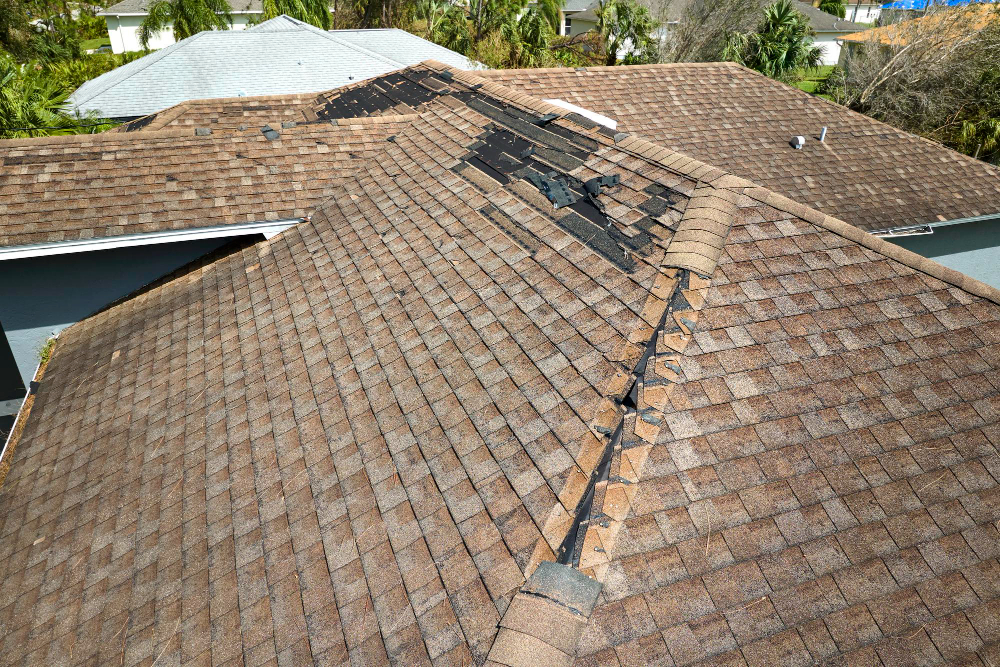
Key Takeaway North Texas hail and wind storms often leave homeowners deciding whether roof damage should be repaired or fully replaced. Roofs under 10–12 years old with localized storm damage can often be repaired, while older roofs or widespread damage typically make replacement the smarter long-term investment. Insurance coverage, roof age, and the percentage of damaged roofing area all play a role in determining the correct path after a storm. A professional inspection helps North Texas homeowners understand the real condition of their roof and avoid costly problems caused by delayed repairs. How Anna, Melissa, Van Alstyne Can Decide What To Do After Storm Damage If you own a home in Anna, Melissa, or Van Alstyne, you already know North Texas weather doesn’t play around. One spring hailstorm or a strong wind event rolling through Collin or Grayson County can leave you staring at your roof wondering: Do I repair this… or is it time to replace it? As a roofing contractor working across Anna, Melissa, Van Alstyne, Weston, Howe, Sherman, Gunter, Celina, and Whitewright, we have walked a lot of homeowners through this exact decision. And the truth is, the right answer depends on roof age, storm impact, insurance coverage, and long-term cost. Let’s talk through it the way we would standing in your driveway. How Long Does a Roof Last in Anna, Melissa & Van Alstyne? In North Texas, an asphalt shingle roof typically lasts 15–25 years. But that range depends heavily on ventilation, installation quality, and storm exposure. Homes in Anna and Melissa often face high winds from open fields and developing subdivisions. Homes near Van Alstyne and Howe tend to take harder hail hits because of storm tracks that move north from Collin County into Grayson County. Three-tab shingles generally don’t last as long as architectural shingles. And impact resistant shingles Texas homeowners upgrade to can extend durability significantly. If your roof is under 10 years old and has isolated hail damage roof Anna TX homeowners often see after a storm, repair may make sense. If it’s pushing 18–22 years old and showing wear across multiple slopes, replacement is usually smarter. Age changes the math. When Roof Repair Makes Sense in Collin & Grayson County Yes, a roof can absolutely be repaired instead of replaced. If damage is: Confined to one section Caused by recent wind damage roof North Texas storms Limited to flashing or a small penetration Minor hail bruising in a concentrated area Then roof repair Anna TX, roof repair Melissa TX, or roof repair Van Alstyne TX projects are often appropriate. We regularly perform targeted storm damage repair in Anna TX and surrounding cities when the rest of the roofing system is still structurally sound. And yes — you can repair just one slope of a roof. You can patch shingles without replacing the entire system. But only when the decking and underlayment beneath are still intact. A proper roof inspection after storm activity is critical before making that call. When Roof Replacement Is the Smarter Move Now let’s talk about when repairs stop making financial sense. If your roof shows: Widespread hail damage roof Van Alstyne TX claims Significant granule loss Curling or brittle shingles Multiple active leaks Deck sagging Repeated past repairs Then a roof replacement on your North Texas home is usually the better investment. There’s also the 25% rule to consider. If more than 25% of the roof area is damaged within a 12-month period, building code may require full replacement rather than partial repair. A roof replacement isn’t just swapping shingles. It’s removing old material down to the decking, replacing underlayment, correcting ventilation for Texas heat, and installing a new roofing system built for North Texas storms. That’s a full reset. Insurance: Repair vs Replacement in North Texas One of the biggest questions we get in Collin and Grayson County (as well as with a majority of our clients) is whether insurance will cover repair or replacement. If the damage is severe and caused by a covered peril, like — hail, wind, tornado roof damage or another typical Texas weather event — insurance often pays for the necessary scope. But how much they pay depends on whether your policy is: ACV (Actual Cash Value) — depreciated payout based on roof age RCV (Replacement Cost Value) — full replacement minus deductible Roof age affects insurance payouts. Older roofs receive heavier depreciation under ACV policies. That’s why homeowners in more established cities like Sherman and Denison sometimes choose to upgrade before total failure. An experienced restoration contractor that North Texas homeowners can trust will properly document hail impact, wind damage, and any sort of flashing failure to support your claim. What Happens If You Wait Too Long? We here at CookDFW have seen this play out far too many times to count. A homeowner in Melissa decides to “wait until next season.” Three months later, a small leak turns into attic insulation damage. That becomes drywall staining. Then mold risk. By the time this north Texas resident calls for emergency roof repair services, interior restoration is now part of the bill. Insurance may deny secondary damage if it determines the issue wasn’t addressed promptly by the homeowner. In cases like this, waiting with a small issue doesn’t end up saving the homeowner any money in the long run. Can You Live in Your Home During Roof Replacement? Yes. Most residential roofing North Texas replacements take one day for average-sized homes in Anna, Melissa, Van Alstyne, and in similarly sized homes in surrounding neighborhoods . Sure, it will be loud during a replacement and there’s bound to be debris in the yard while a crew is in the middle of the project. But you can remain safely inside. The team at CookDFW will coordinate access for the homeowner on the property as well as make sure that our team cleans up carefully. Should You Upgrade Your Roof? If you’re replacing anyway, it’s worth considering upgrades. As new residents move into