
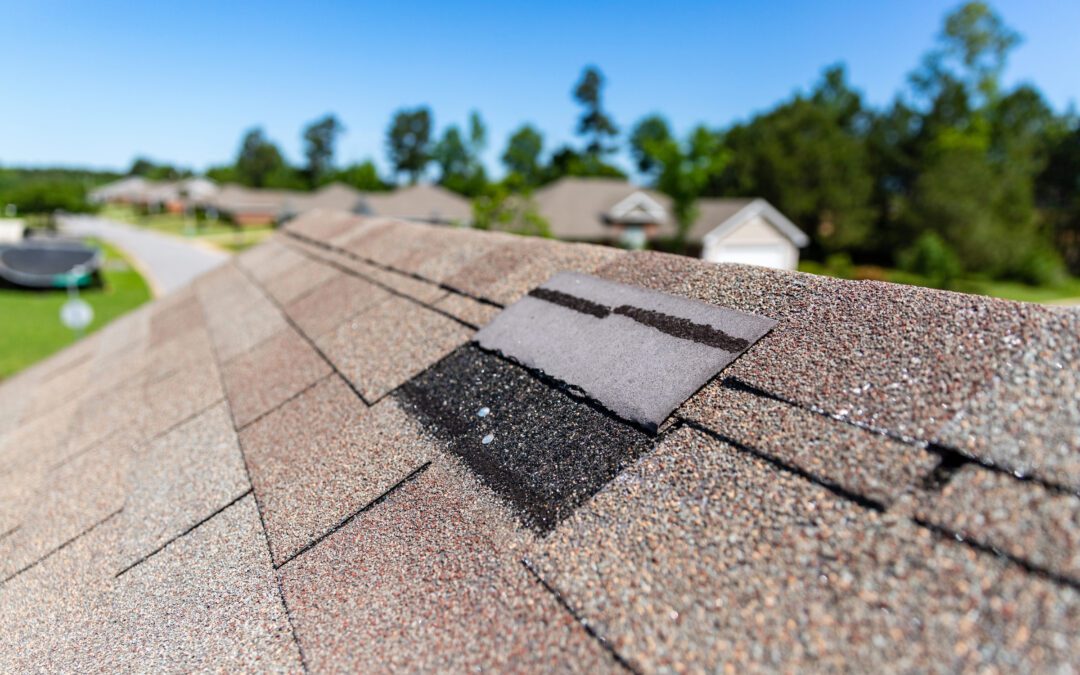
Hail, heat, wind, and storm damage explained for Dallas–Fort Worth homeowners
For most homeowners, concern about the roof starts quietly. A faint water stain spreads across the ceiling. An energy bill creeps higher for reasons that aren’t obvious. A neighbor mentions an inspection after the last storm, and the thought lingers longer than expected.
There’s rarely a single moment when something “breaks.” More often, it’s the slow realization that something may be wrong, and the hesitation that comes with not knowing how serious it is.
In North Texas, that experience is common. Roof damage rarely announces itself. It builds gradually storm by storm, season by season; until the signs are no longer easy to ignore.
The Dallas–Fort Worth region faces some of the most demanding roofing conditions in the country. Texas has led the nation in hail-related insurance losses for more than a decade, with North Texas counties among the most frequently affected. But hail alone doesn’t explain why roofs here tend to wear out sooner than homeowners expect.
What makes DFW especially hard on roofs is the combination: repeated hailstorms, prolonged extreme heat, sudden wind events, and heavy rain that works its way into even small weaknesses. How those forces stack up over time often determines whether a roofing issue stays manageable, or becomes expensive.
North Texas Roofs Age Faster Because They’re Hit Repeatedly, Not Occasionally
Many homeowners assume roof damage comes from one bad storm. In North Texas, it’s usually the opposite.
Spring brings multiple hail events in short succession. Summer follows with weeks of sustained heat. Fall and winter introduce strong winds and sharp temperature swings. Each season adds stress, even when no single storm feels decisive.
Roofing materials are built to take abuse; but not endlessly. Shingles expand and contract day after day. Adhesive seals weaken bit by bit. Protective granules loosen over time. The roof doesn’t fail all at once; it slowly loses tolerance.
Most Hail Damage in DFW Comes From Stones Under One Inch
After a hailstorm, many homeowners step outside, look up, and feel relieved. The shingles are still there. Nothing appears broken.
What’s harder to see is what happens underneath.
Smaller hailstones can fracture the fiberglass mat inside asphalt shingles without leaving obvious marks. Those fractures reduce the shingle’s ability to shed water over time. Granules loosen. UV protection wears down. With each additional storm, the roof becomes more vulnerable; even though it looks unchanged.
Industry data shows that repeated minor hail impacts can shorten a roof’s lifespan by 20 to 30 percent, often without immediate leaks.
“We inspect many roofs that look intact from the street but show clear structural damage up close,” says a senior inspector with Cook DFW Roofing & Restoration. “In North Texas, hail damage usually adds up over time.”
After 60-MPH Winds, Shingles Don’t Always Blow Off; They Loosen
Wind damage doesn’t always look dramatic.
Across the Metroplex, straight-line winds regularly exceed 60 miles per hour. Even when shingles stay in place, repeated lifting and settling weakens the adhesive strip that holds them down. Once that bond is compromised, shingles are more likely to lift again, letting wind-driven rain reach the roof deck.
This is where homeowners often assume they would have noticed a problem. In reality, the damage is structural, not visible. FEMA data shows that many wind-related failures begin along edges, ridgelines, and flashing, areas most homeowners never see without getting on the roof.
Dallas Averages More Than 70 Days Above 90 Degrees, and Roofs Absorb Every One
If storms come and go, heat never really lets up.
Dallas sees more than 70 days a year above 90 degrees, and attic temperatures can exceed 140 degrees in poorly ventilated homes. That sustained heat forces roofing materials to expand and contract every day, speeding up wear.
As shingles dry out, they lose flexibility and impact resistance. A roof weakened by heat is far more likely to fail when hail or wind hits next. Better ventilation can lower attic temperatures and extend roof life, yet ventilation problems remain one of the most common issues found during inspections.
Why Roof Leaks Often Appear Weeks; Not Days, After Heavy Rain
When leaks finally show up, they often feel sudden, even though the problem started much earlier.
Water rarely enters where it eventually appears. It moves along decking, insulation, and framing before showing up inside the house, sometimes several feet from the original entry point. By the time a stain appears on a ceiling or wall, moisture may already be causing damage behind it.
That delay is one reason homeowners often underestimate how long a roofing problem has been developing.
The Homeowners Who Avoid Major Roof Repairs Share One Habit
Homeowners who avoid major roofing failures tend to understand one simple thing: roof damage adds up.
Instead of waiting for visible leaks or missing shingles, they treat inspections as routine maintenance, much like servicing an HVAC system before summer heat sets in. Inspections after active storm seasons often catch loosened shingles, weakened seals, ventilation issues, or early moisture intrusion before repairs become urgent.
They also choose materials with North Texas in mind. Impact-resistant shingles and properly designed ventilation don’t stop damage entirely, but they slow it. In a region where roofs are tested over and over, slowing the process matters.
Across Dallas–Fort Worth, roofing professionals see the same pattern repeat. Roofs rarely fail because of one storm. They fail because small issues are left alone in a climate that doesn’t give much room for error.
Knowing how that process works doesn’t eliminate uncertainty, but it gives homeowners a better footing when decisions need to be made.
For homeowners who want their roof checked after recent weather, or who have started noticing early warning signs, a professional inspection can help determine what’s happening and what can wait. Additional information and inspection requests are available on the Cook DFW Roofing & Restoration.